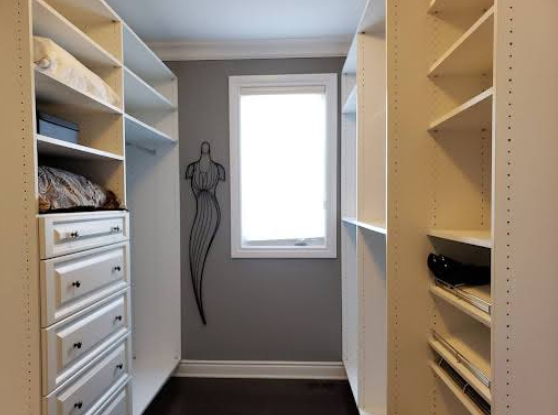
Home Improvement Center Solutions for storage encompass a comprehensive approach that blends space assessment, modular systems, and durable materials to maximize utility. This framework clarifies scope, aligning goals with practical outcomes.
It covers home improvement, storage solutions, and reorganizing ideas, emphasizing adaptable layouts, scalable solutions, and durable construction. It empowers users to envision freedom through efficient, purposeful organization and sustained system performance.
How to Evaluate Modular Shelving, Bins, and Organizers for Real Homes
Evaluating modular shelving, bins, and organizers for real homes requires a practical, forward-looking framework: assess space, durability, and adaptability before selecting components that scale with changing needs.
The process emphasizes evaluating modular shelving, bins; choosing organizers for homes, storage systems that fit daily flow, withstand use, and permit reconfiguration as life shifts, ensuring freedom through resilient, modular organization.
Layout Strategies to Reclaim Space: From Garage to Kitchen
Garage and kitchen spaces share a common constraint: vertical and horizontal real estate must be reclaimed without sacrificing function. Layout strategies reimagine flow, enabling storage optimization and deliberate space reallocation across zones. From garage hooks to kitchen wall rails, precise placement prioritizes accessibility, safety, and adaptability. The vision: modular, sustainable configurations that free movement, empower owners, and sustain order through continuous, mindful rearrangement.
See also: Future Trends in IoT Technology
Quick Wins and Budget-Smart Upgrades That Deliver Lasting Order
Quick wins and budget-smart upgrades translate ambition into action, delivering tangible, lasting order without derailing the budget. The approach favors modular, scalable systems that empower movement, not clutter.
Smart storage pairs simple investments with clear outcomes: labeled containers, adjustable shelving, and wall-mounted organizers.
Quick wins establish momentum; budget smart upgrades sustain discipline, transforming chaos into freedom through purposeful, durable solutions.
Frequently Asked Questions
How Do I Choose Materials for Durability and Price?
Durability vs. cost hinges on balancing performance and price; a material durability comparison reveals long-term savings from fewer replacements. The visionary evaluator weighs lifetime value, upfront cost, and environmental resilience, guiding a practical, freedom-seeking choice beyond short-term lure.
Can DIY Shelving Match Store-Bought Options?
DIY shelving can match store bought alternatives when carefully designed, prioritized for load, rigidity, and finish; modular systems and quality hardware enable durable, affordable solutions. Visionary, practical builders pursue freedom, balancing cost, craft, and long-term utility.
What Safety Features Matter Most in Storage Setups?
Safety features overview shows that sturdy joints, load limits, anti-tip mechanisms, and fire/smoke awareness matter most in storage setups. Material durability perspectives emphasize corrosion resistance, screw/rail integrity, and environmental suitability for lasting, freedom-driven organizational systems.
Do Storage Solutions Improve Home Resale Value?
A statistic reveals homes with organized storage sell up to 7% faster, signaling a tangible resale impact. Storage value informs buyers, boosting perception of space and efficiency. It combines practicality with freedom, elevating overall property appeal and market resilience.
How Often Should I Reassess Storage Needs?
A prudent schedule suggests reassessing storage needs annually, or whenever life changes occur, to keep goals aligned with evolving storage goals. This visionary, practical approach emphasizes clarity, freedom, and adaptability, ensuring solutions remain detailed, flexible, and purposefully responsive.
Conclusion
In the end, storage becomes a compass, guiding clutter toward clarity. Home improvement centers offer interchangeable parts of possibility—modular shelves, sturdy bins, clever organizers—that adapt as life shifts. When layout and material meet purpose, spaces unfold like carefully choreographed rooms in a living plan: garages become launchpads for projects, kitchens transform into calm command centers, and daily routines glide with ease. It’s not just organization; it’s a foresight-driven architecture for sustainable, lasting order.
